Kitchen & bath remodels
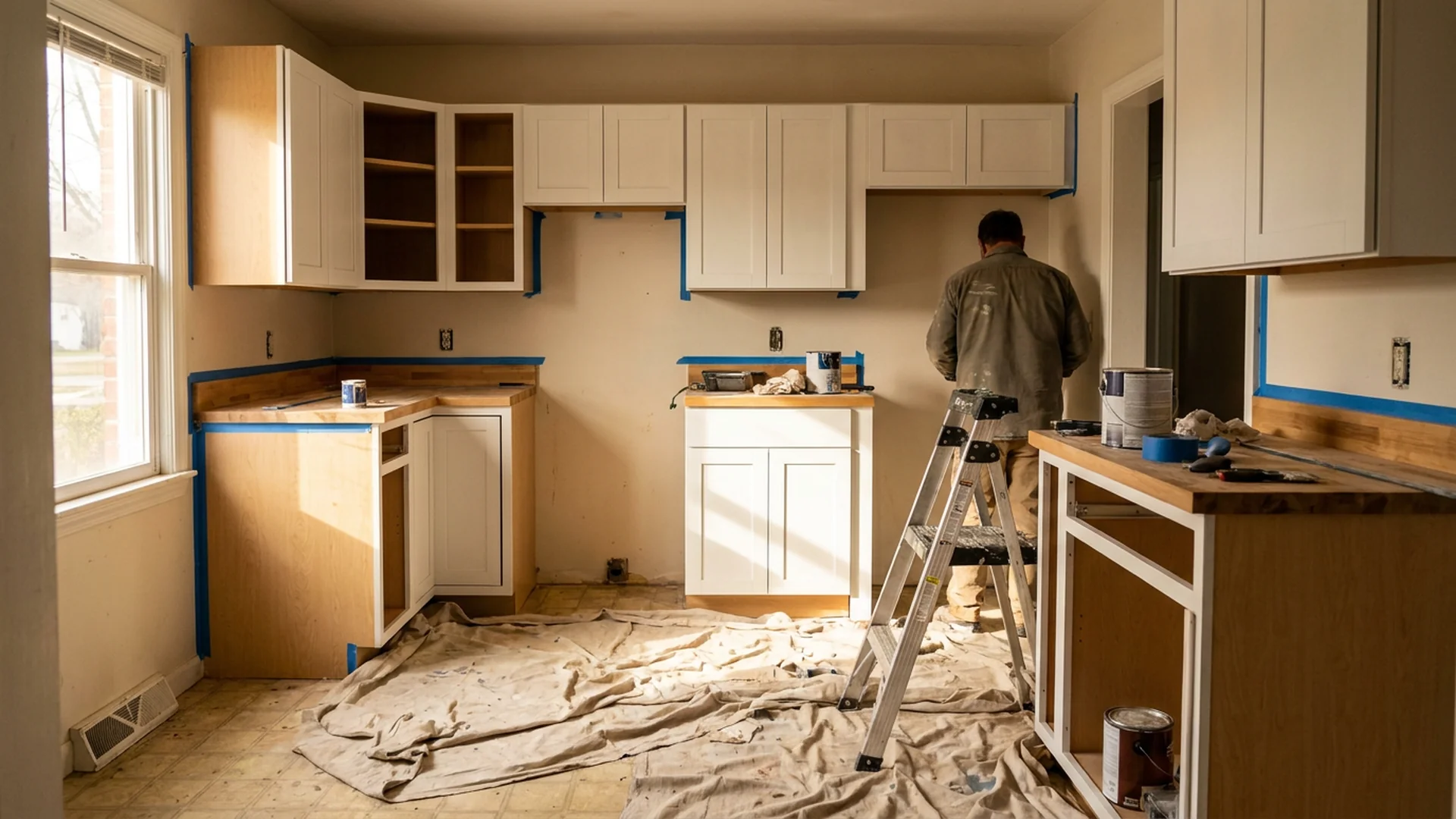
Interior upgrades in PV Estates, Rolling Hills, and RPV — with HOA design guideline review before any contractor bids.
Local matching, quick risk checks, and transparent tools — built for PV homeowners who want honest guidance before talking to anyone.
Why PV-first matters
Contractors who work primarily in LA proper often underestimate PV's unique permit environment, HOA requirements, and soils complexity. A contractor experienced on flat LA lots may not have dealt with slope drainage, RPV's active geology overlay, or Rolling Hills' architectural committee.
HOA pre-clearance: PV Estates and Rolling Hills require architectural committee approval before permits are issued — we track this as a separate step
Soils history awareness: we surface public landslide map context for your neighborhood as an educational starting point
City-specific permit timing: RPV, PVE, and Rolling Hills each have different queues and inspector preferences
Contractor track record on PV: our match signals include local permit history, not just general license status
Honest scope framing: we never promise a cost or timeline we can't back with visible assumptions
Examples
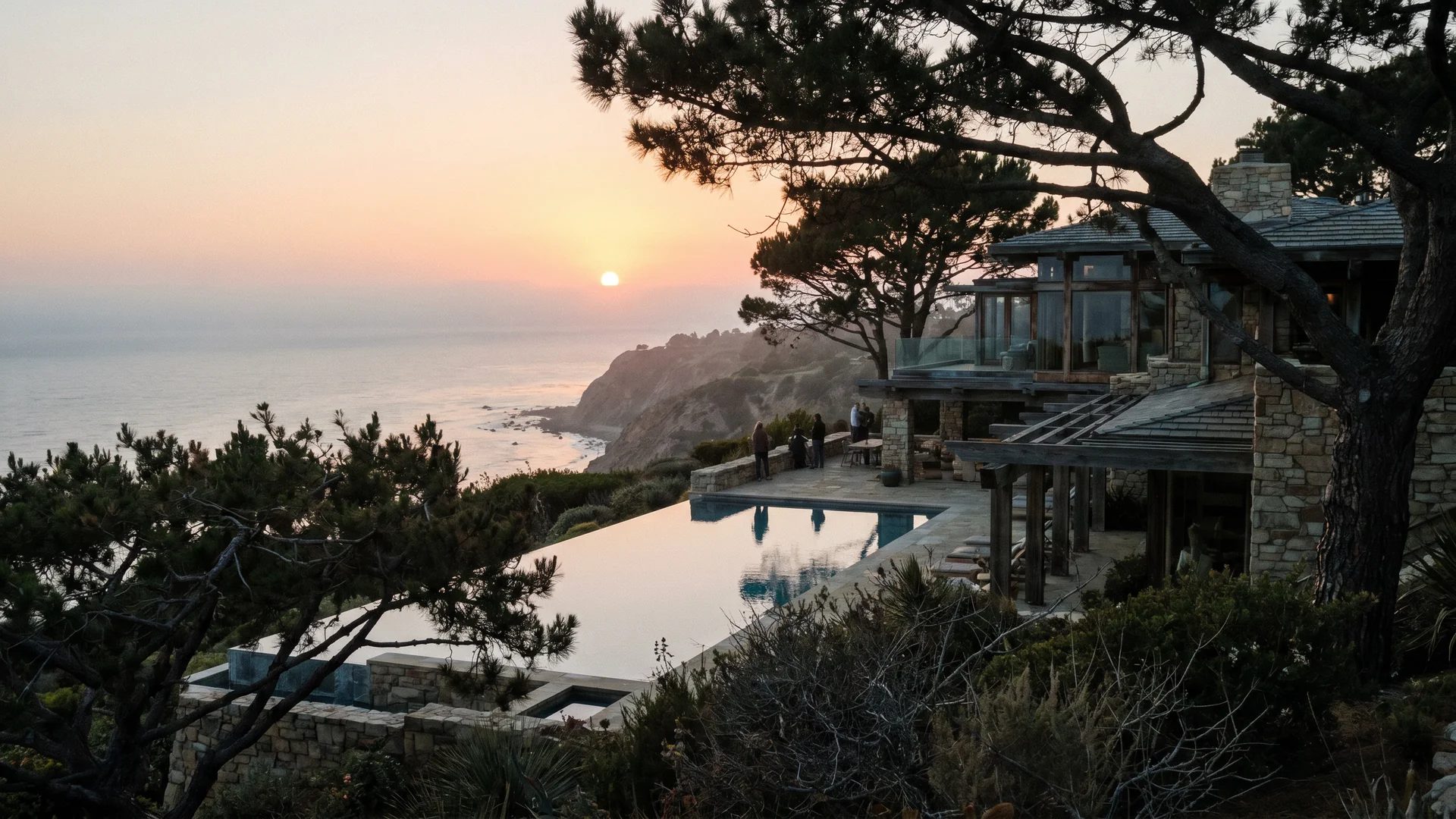
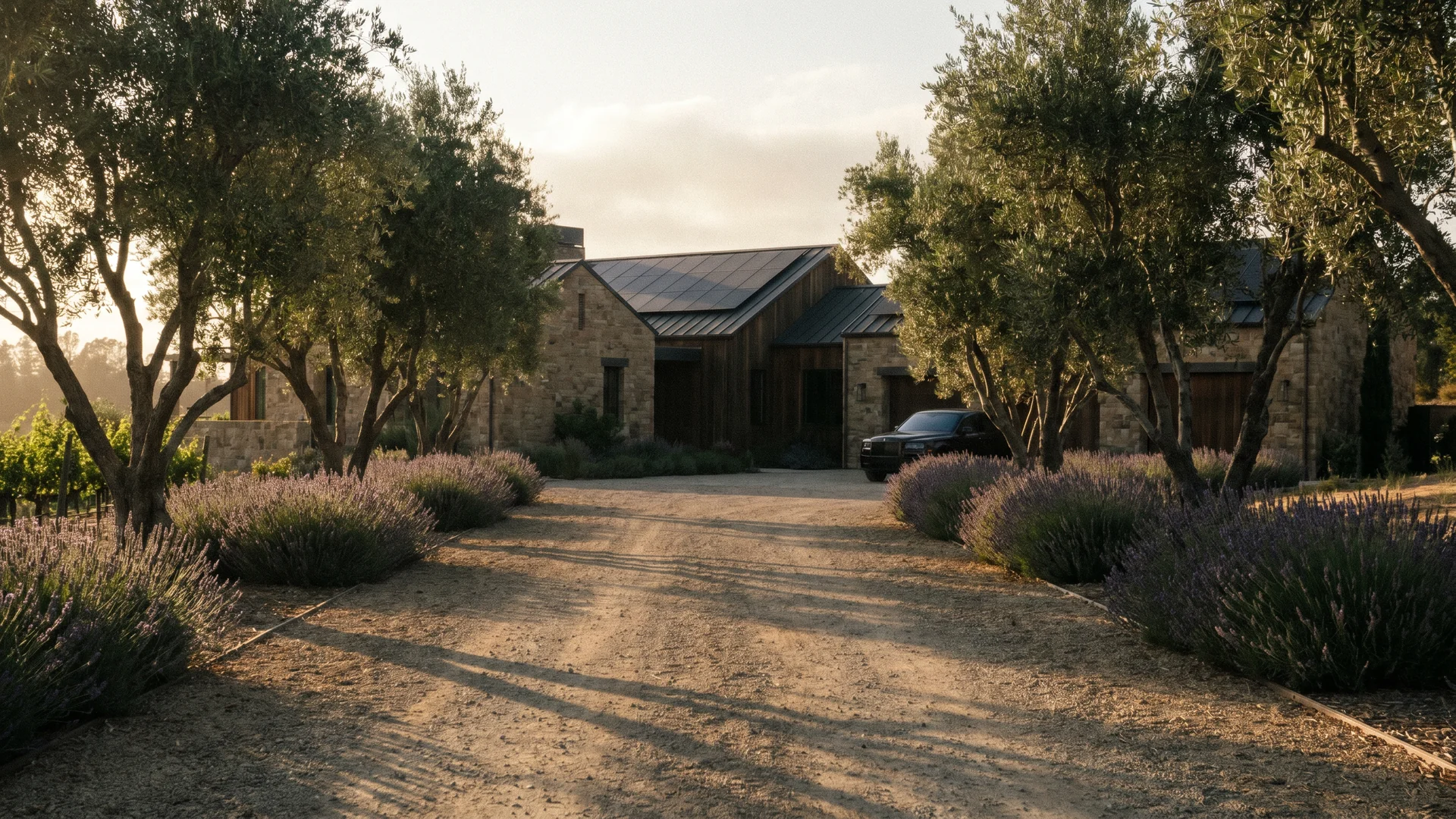
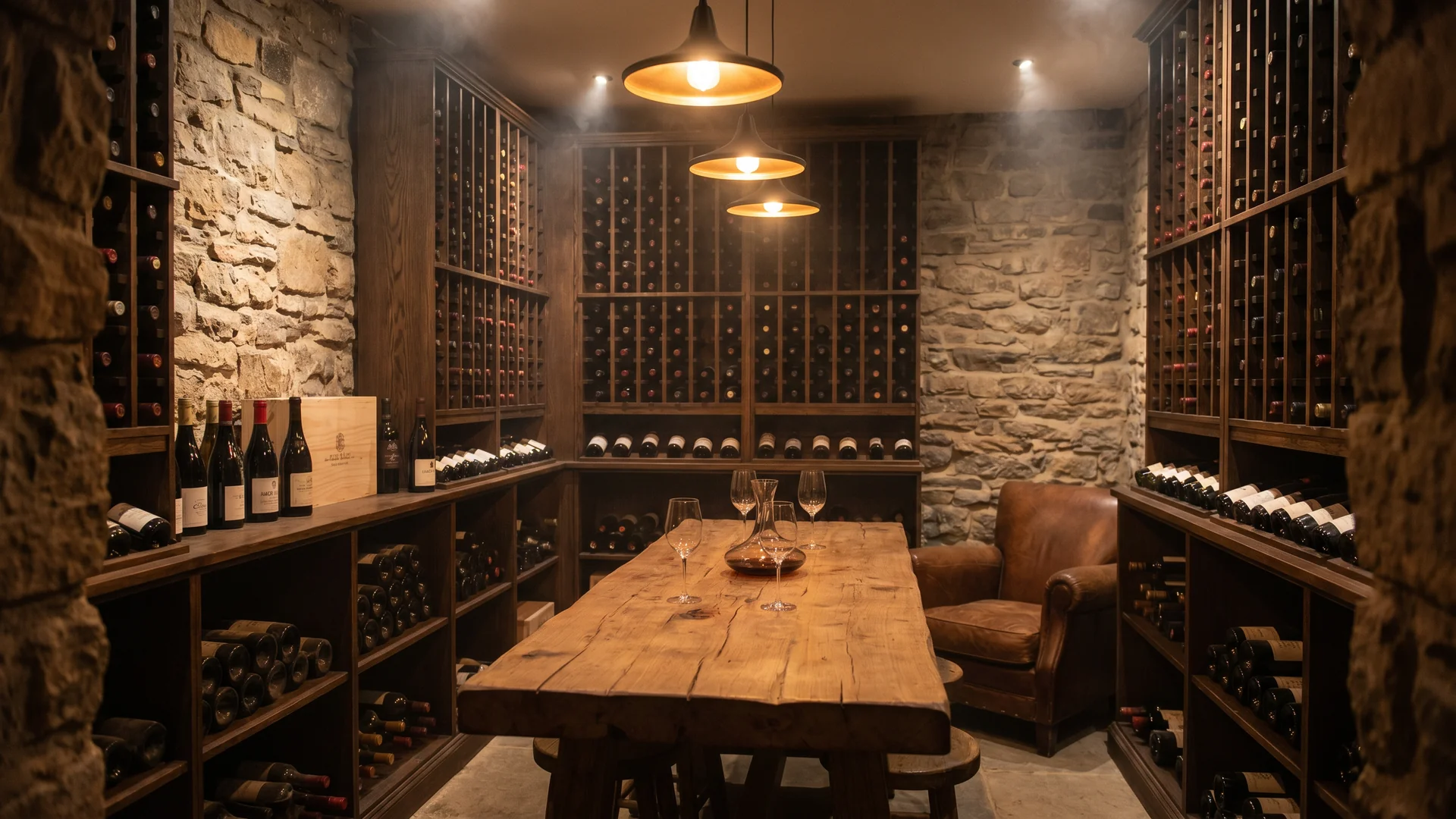
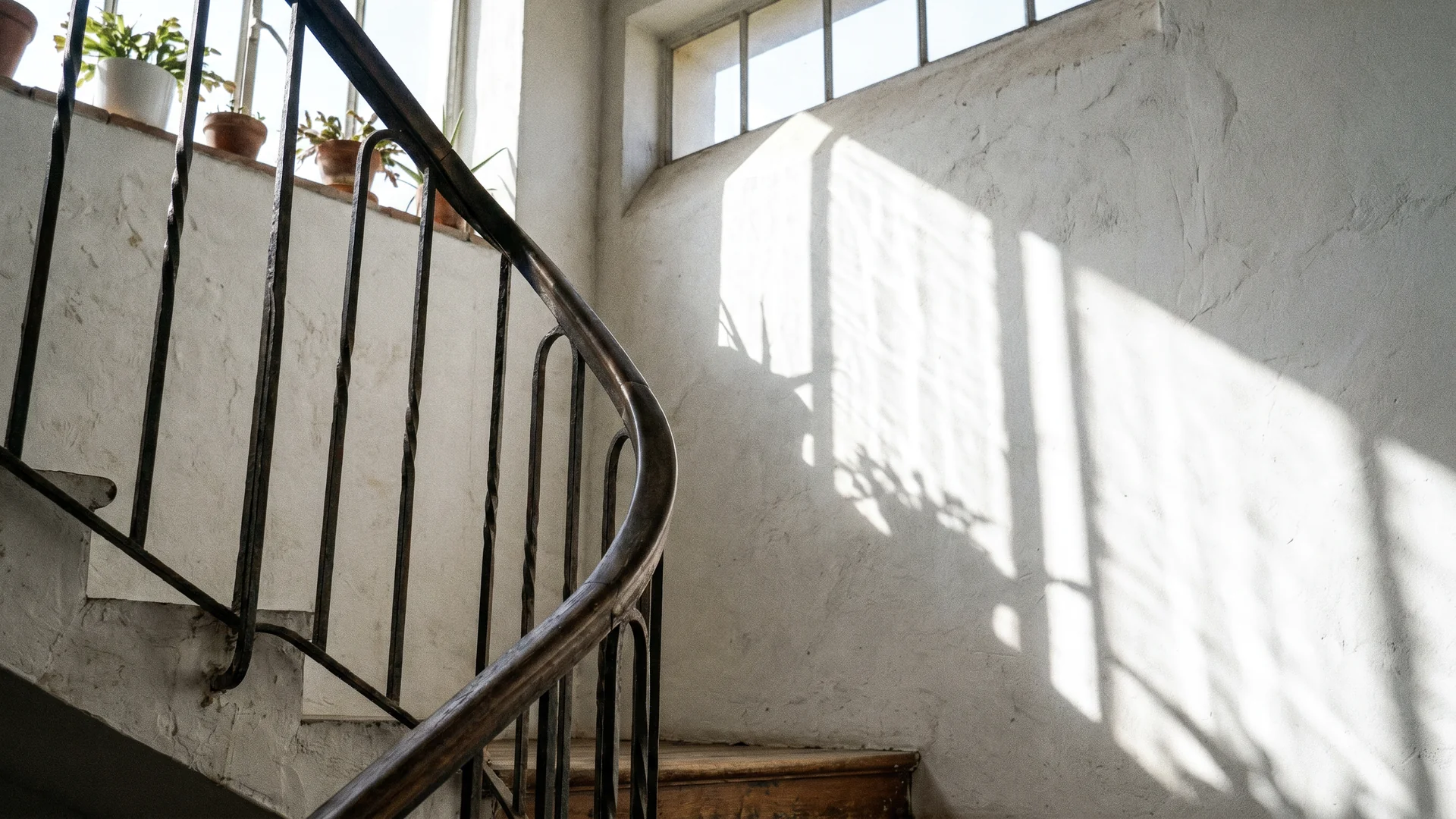
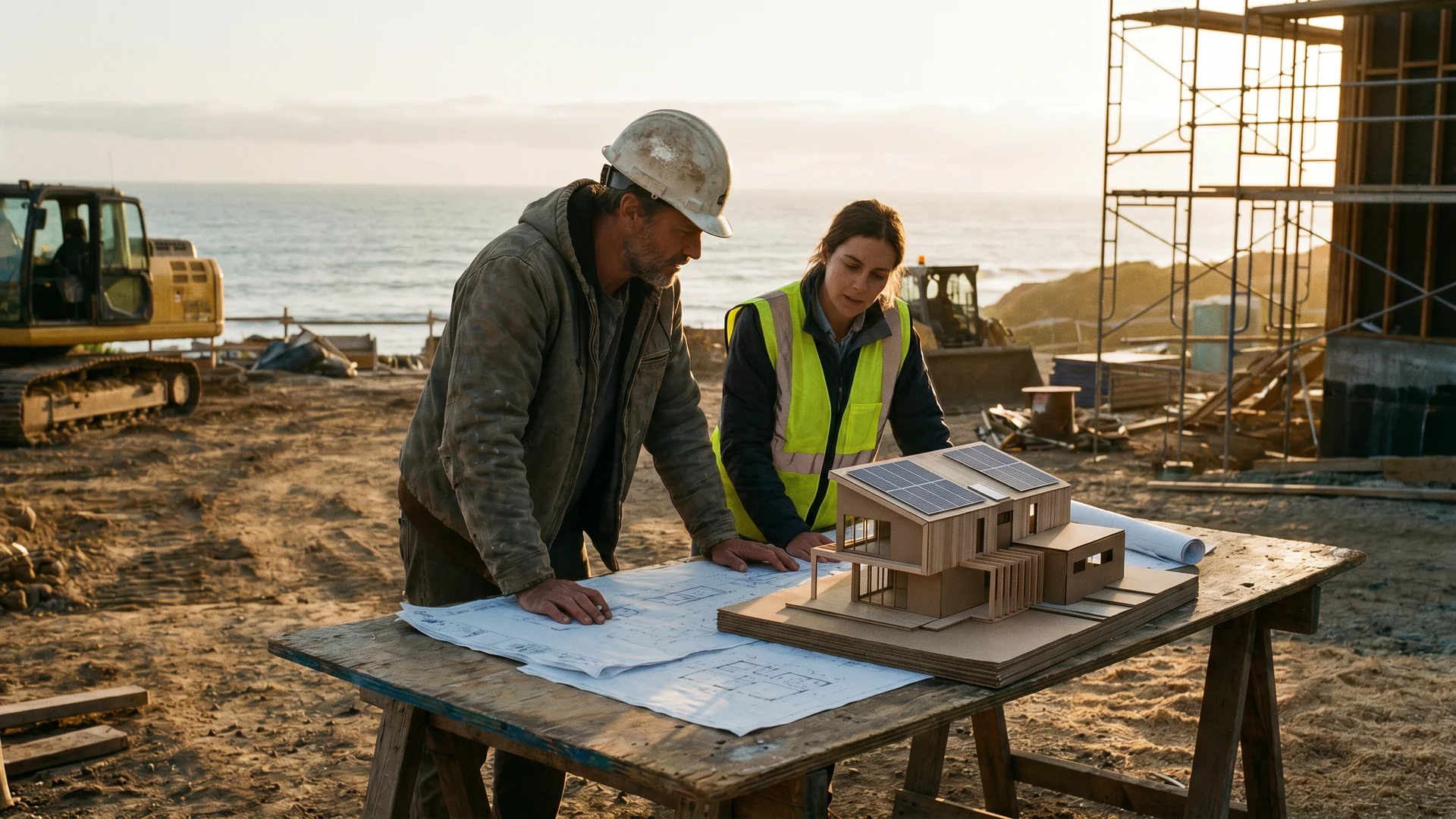
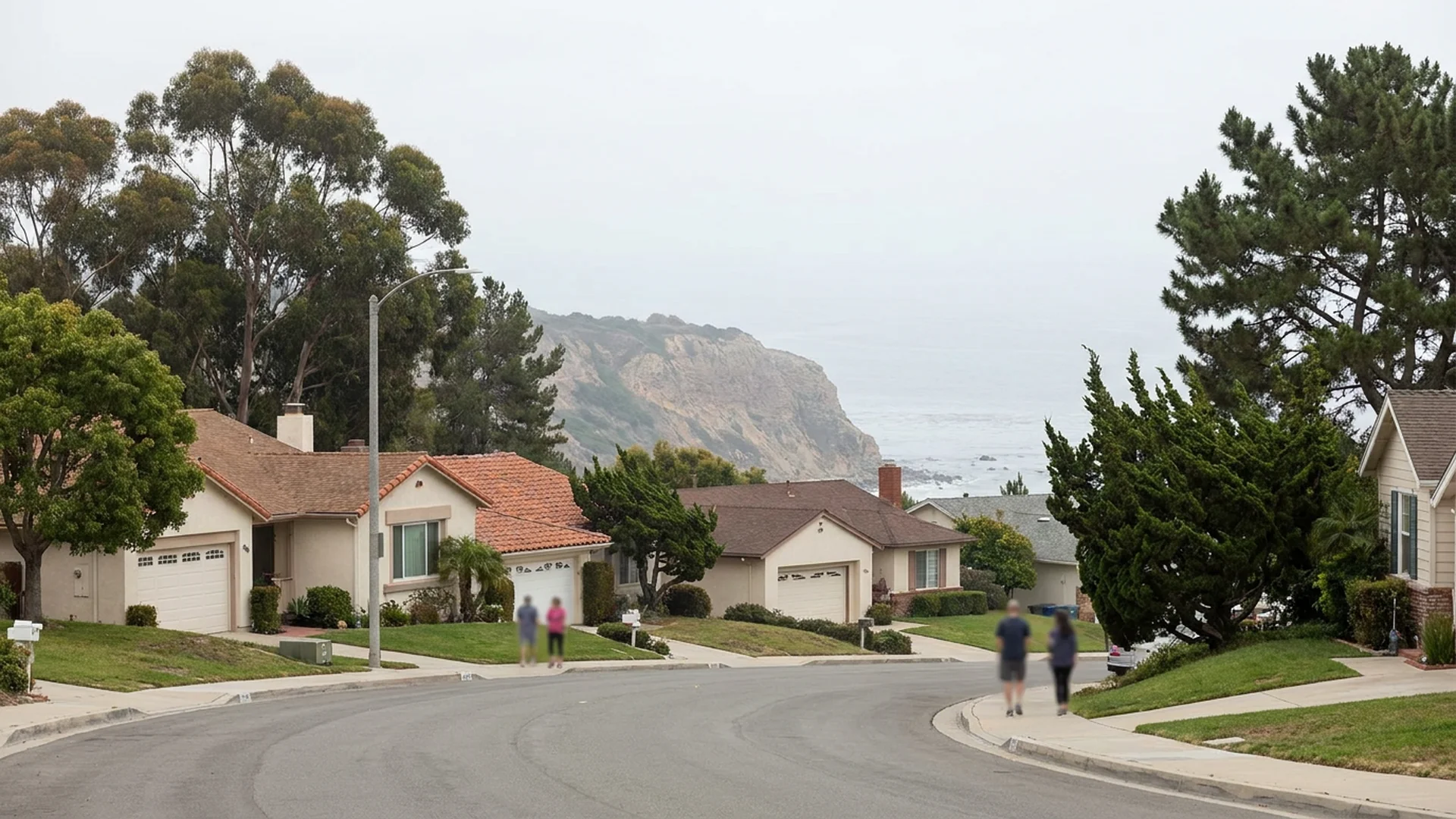
Examples of the residential work homeowners get matched to contractors for across PV Estates, Rolling Hills, and Rancho Palos Verdes — exteriors, interiors, hillside additions, and architectural details.


Local services
The Peninsula has specific contractor requirements — HOA overlays, hillside grading, and dual-city approvals. Our tools help you find the right match for PV's specific demands.
Interior upgrades in PV Estates, Rolling Hills, and RPV — with HOA design guideline review before any contractor bids.
Detached and attached ADUs on PV lots — state ADU law applies, but HOA and city design requirements add important local constraints.
Hillside drainage, hardscape, and landscape work that accounts for PV soil conditions and slope stability context.
Foundation assessments and seismic work for older PV homes — matching goes to specialists with Peninsula soils experience.
Whole-home renovations on the Peninsula — we match based on project size, HOA requirements, and contractor hillside experience.
Ground-up builds on PV lots — small supply of local GCs with hillside experience means early contractor selection matters.
Questions
In PV Estates and Rolling Hills, most exterior and structural work requires architectural committee sign-off before city permits are issued. Getting contractor bids before HOA approval means you may need to revise scope after the fact. We flag which project types trigger HOA review.
Check the CSLB license and ask for at least two recent Peninsula references — specifically in your city, not just 'South Bay.' Our match signals include local permit pull history so you can see if a contractor has actually worked in RPV, PVE, or Rolling Hills recently.
Financially, ADU ROI in PV depends heavily on the rental market, your HOA's ADU policy, and whether hillside grading triggers additional geotech costs. Our cost snapshot tool gives you a realistic breakeven range before any design investment.
Slope access for equipment, engineered grading and drainage plans, geotech reports, and sometimes HOA-required design review all add to base costs. We factor these into our cost snapshot defaults for PV lots.
Typically 12–16 weeks total: 3–5 weeks for HOA architectural review, 4–8 weeks for RPV/PVE city permit, and 4–6 weeks of construction. Interior-only work sometimes bypasses HOA review entirely — we clarify which category your project falls into.
Start here
Describe your project type, city (RPV, PVE, or Rolling Hills), and current stage. We'll help you understand the local permit path and what to look for in a contractor.